GPTs Are a Slow Poison… A Digital Drug!
Dr. Srijit Nair
Chief Executive Officer
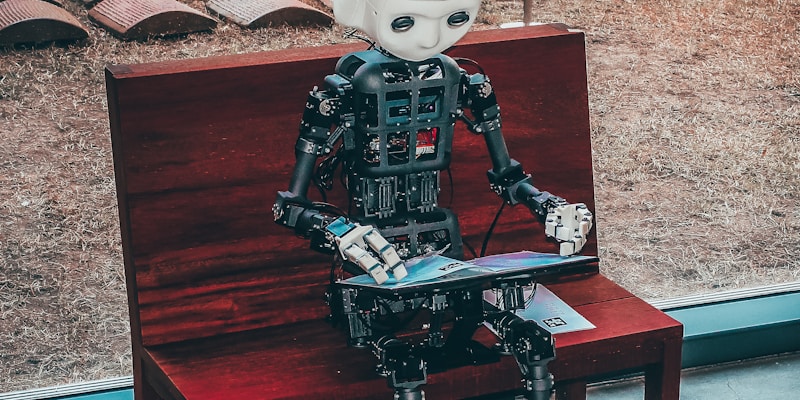
Every few years, a new technological wave hits the world, reshaping how we live and work. The latest tsunami? Generative AI.
From GPTs answering emails to crafting business strategies, it's revolutionizing productivity — but there's a dark side we need to talk about.
Let's be honest, GPTs are addictive. Not in the obvious, dopamine-hit way like social media — but in a more subtle, insidious way. They remove friction. They make thinking optional. They give us answers before we've fully formed questions.
That's the digital drug. That's the slow poison.
We're outsourcing our creativity, our critical thinking, and sometimes even our decision-making. It's like a cognitive muscle we've stopped exercising. And like any underused muscle, it atrophies over time.
Sure, these tools can be incredible partners in innovation — but only if we stay in the driver's seat. When GPTs become a crutch instead of a co-pilot, we risk losing the very edge that makes us human: intuition, originality, and the ability to connect dots in ways no algorithm can.
So what's the antidote?
- Be intentional: Use GPTs to augment your work, not replace your thought process.
- Stay curious: Question the output. Don't just take answers — dig deeper.
- Keep learning: The more you know, the better you can guide and challenge these tools.
- Draw boundaries: Just like with social media, take breaks. Let your own mind do the heavy lifting sometimes.
GPTs are here to stay. They're powerful, transformative — and yes, potentially dangerous if misused. Let's not become passive consumers of intelligence. Let's stay active creators.
Your mind is still your greatest tool. Don't let it rust.
P.S. — Guess what? This was GPT drafted. In spite of all of the above, I was still offered the option to rewrite it using AI. Is this mocking me? Have I lost the creativity to write? Or am I just dependent on the most comfortable side of my brain — being ignorant?
Think — before AI gives you the prompt or suggestion, "you are unfit to think."
About Dr. Srijit Nair
Chief Executive Officer at ITHR Technologies Consulting LLC
Developing innovative human capital strategies & driving business growth
Connect on LinkedIn